Who we are
Our history
Where Muñoz came from, and how MUSA came to be.
Where we come from
Before it was a Science City, it was Papaya
MUSA exists for a town with a long memory. This is that town's story, in brief.
1855
Papaya becomes a pueblo
1913
Muñoz becomes its own municipality
2000
The Philippines' first Science City



1855
A settlement called Papaya
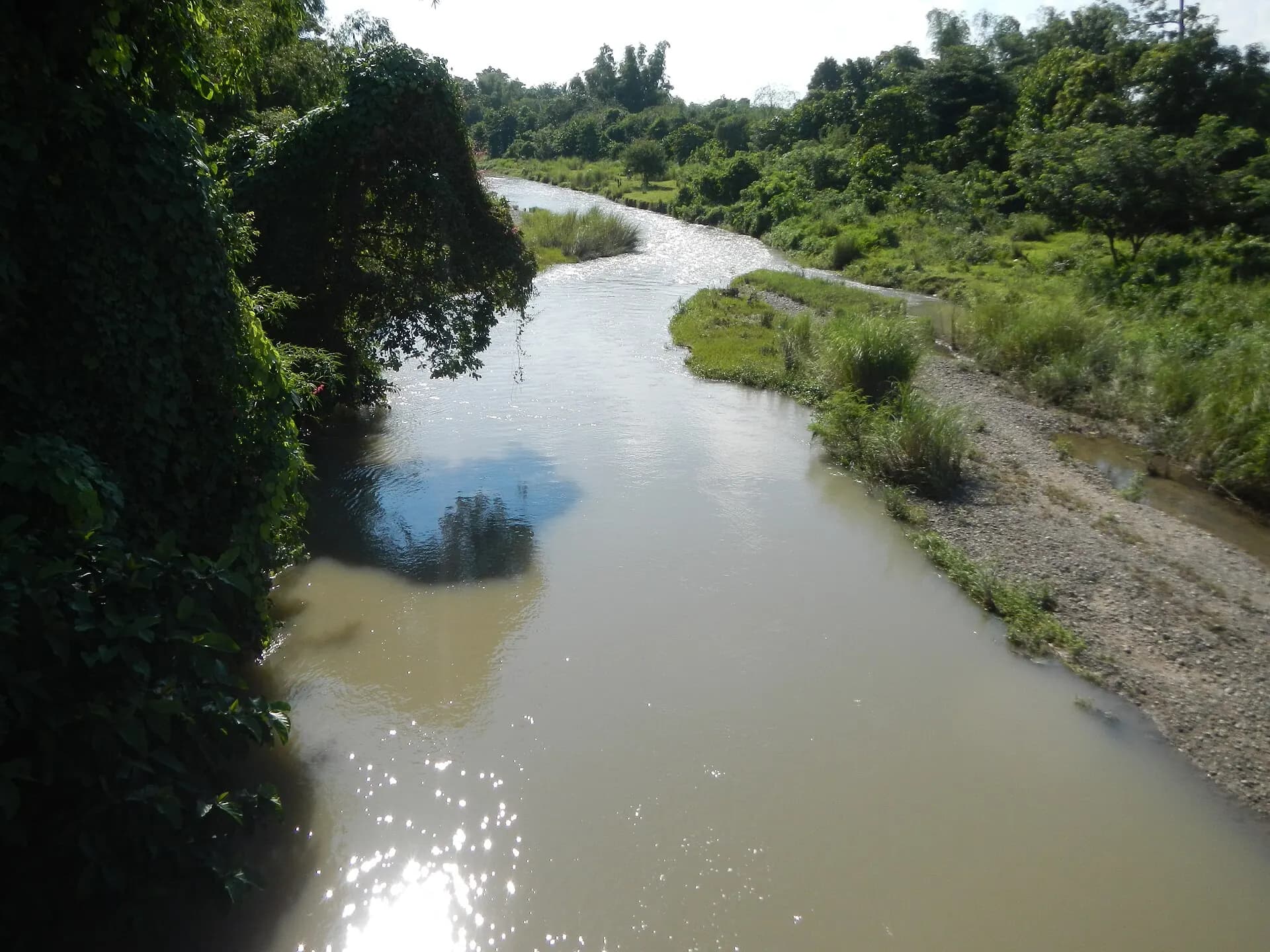
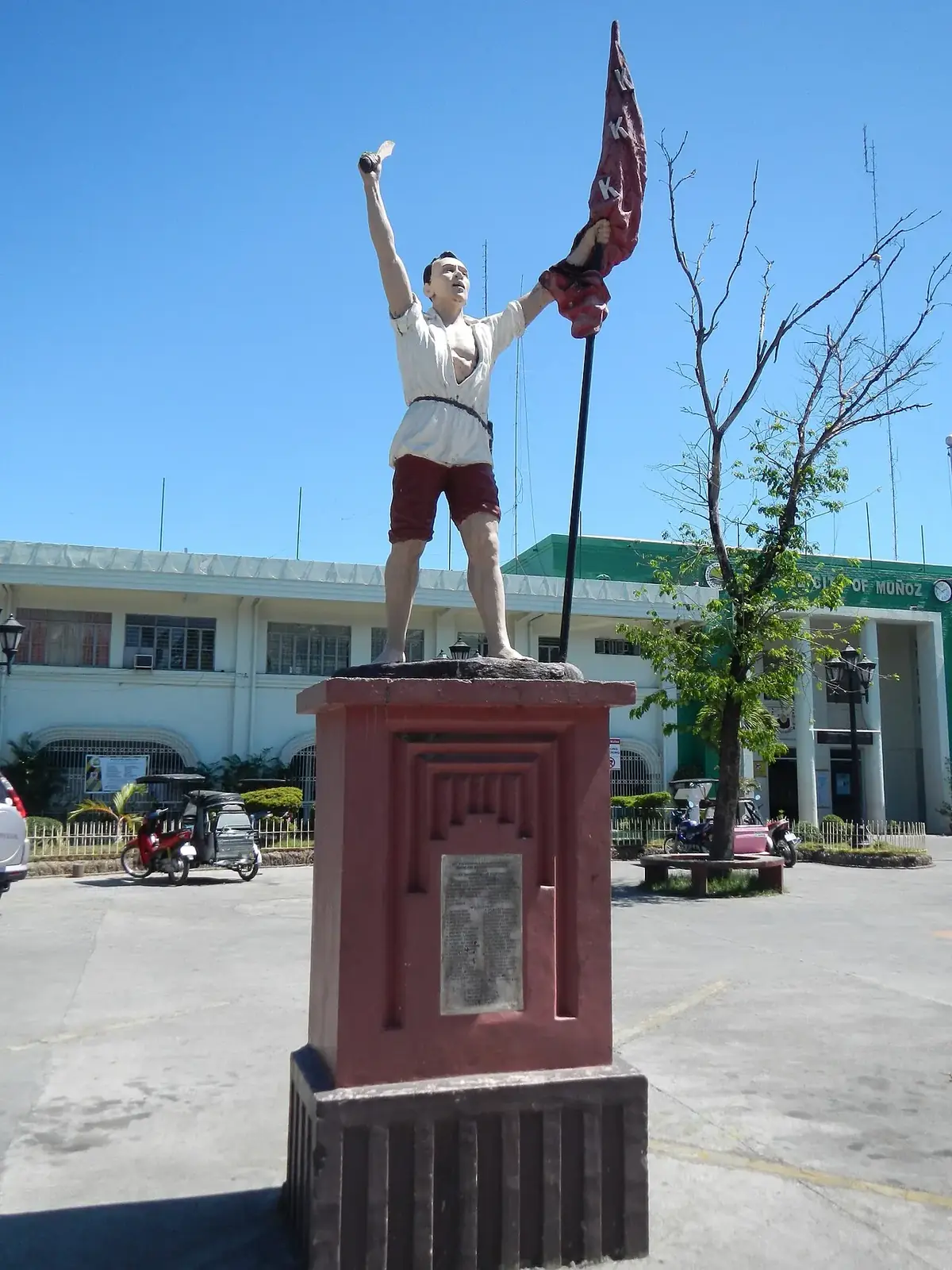
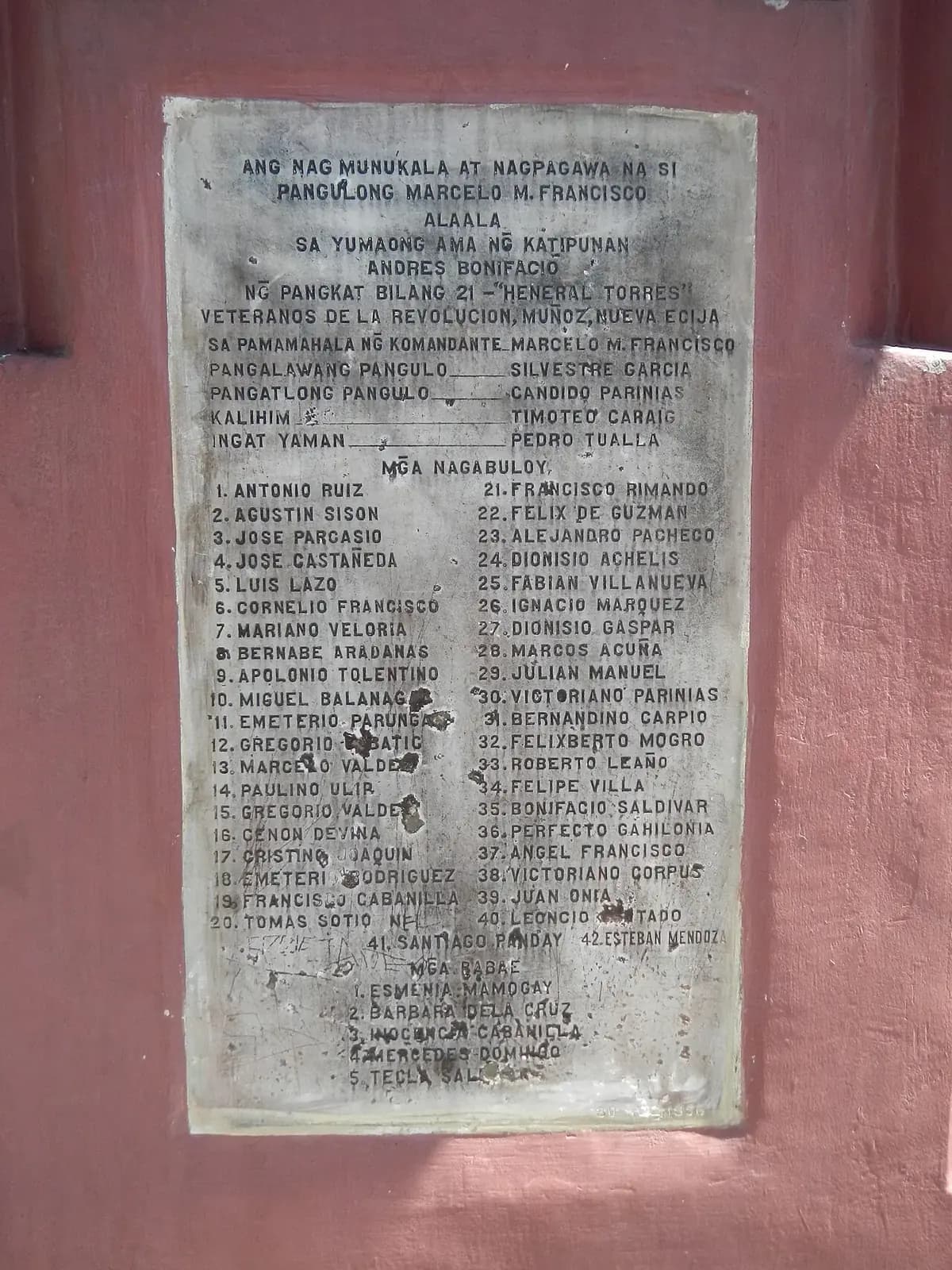
The area now known as the Science City of Muñoz was originally a forested settlement inhabited by indigenous Baluga communities along the fertile creeks and waterways of present-day Balante, Catalanacan, and Matingkis. It was called Papaya and was initially a sitio of Barrio San Antonio in the municipality of Guimba. With the arrival of Christian settlers, including immigrants from Bulacan and the Ilocos Region, the community gradually developed into a pueblo in 1855.
Along the creeks of
- Balante
- Catalanacan
- Matingkis
Settlers from
- Bulacan
- the Ilocos Region


1886
Papaya becomes Muñoz
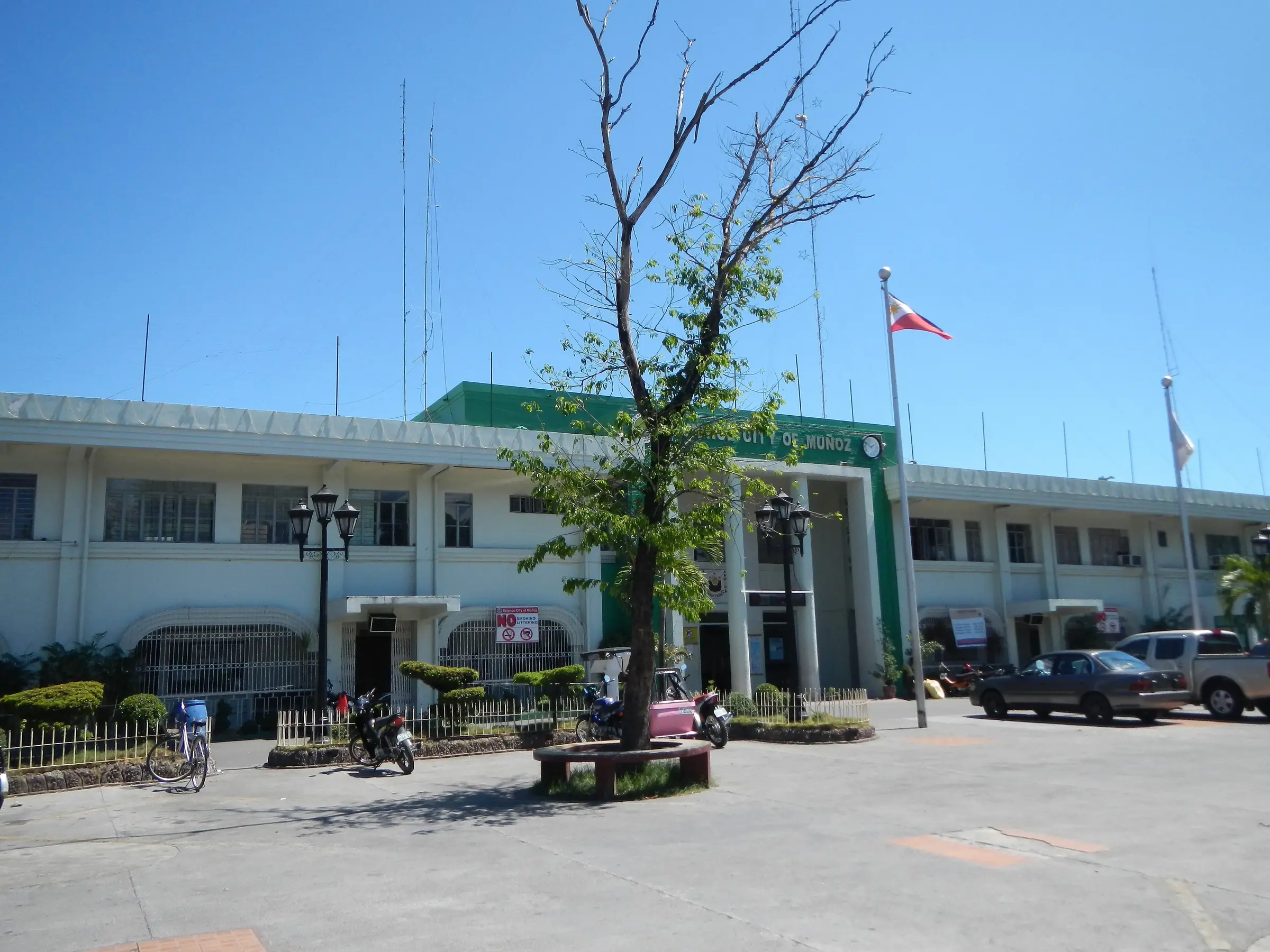
In 1886, Papaya was renamed Muñoz in honor of Don Francisco Muñoz, a provincial alcalde mayor and the community’s first appointed gobernadorcillo. The area subsequently became a barrio of San Juan de Guimba. As its population grew, residents began seeking greater independence and local administration.
Papaya was renamed
Muñoz
Named for Don Francisco Muñoz, alcalde mayor and the first gobernadorcillo

1913
A town of its own
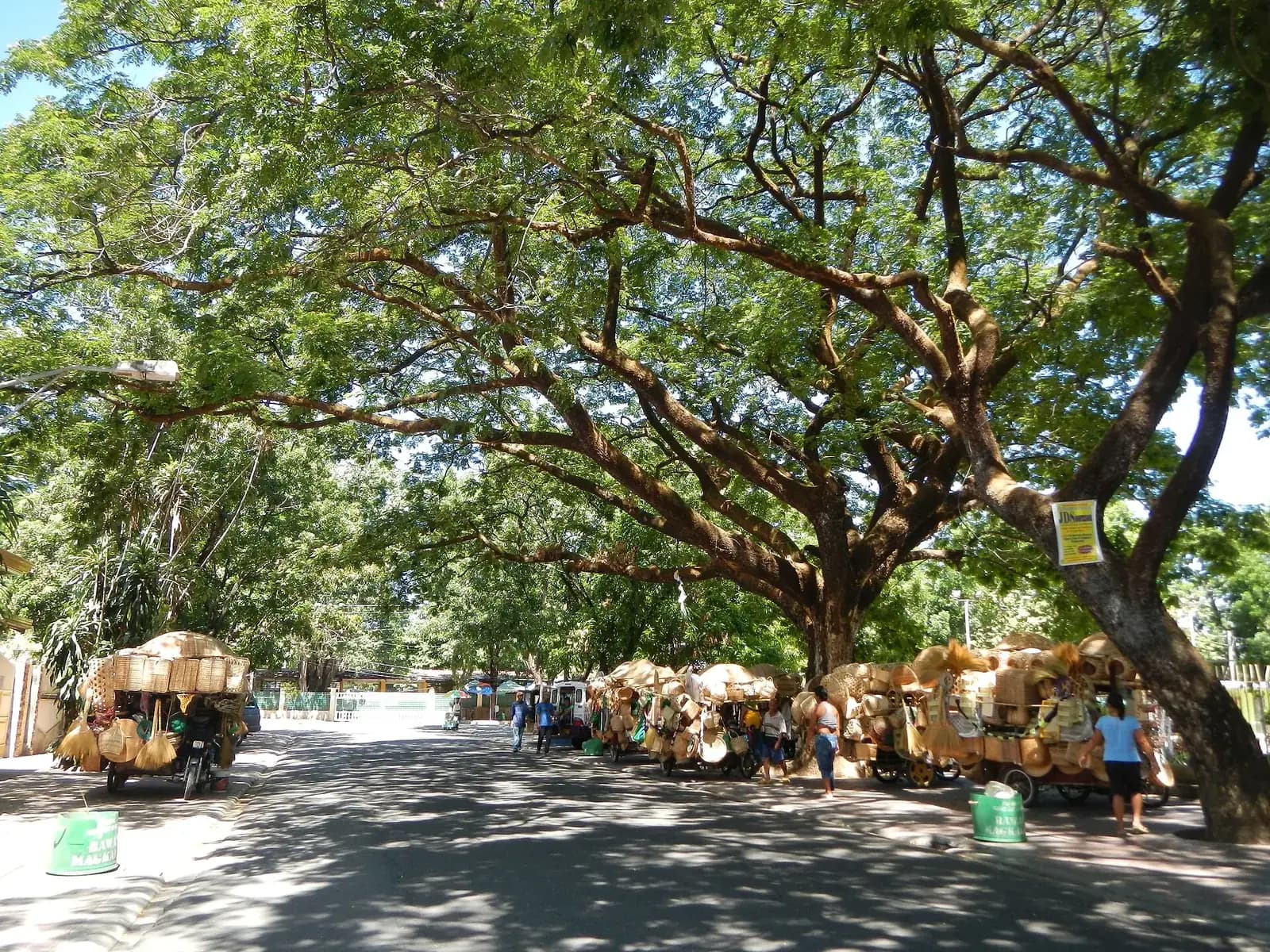
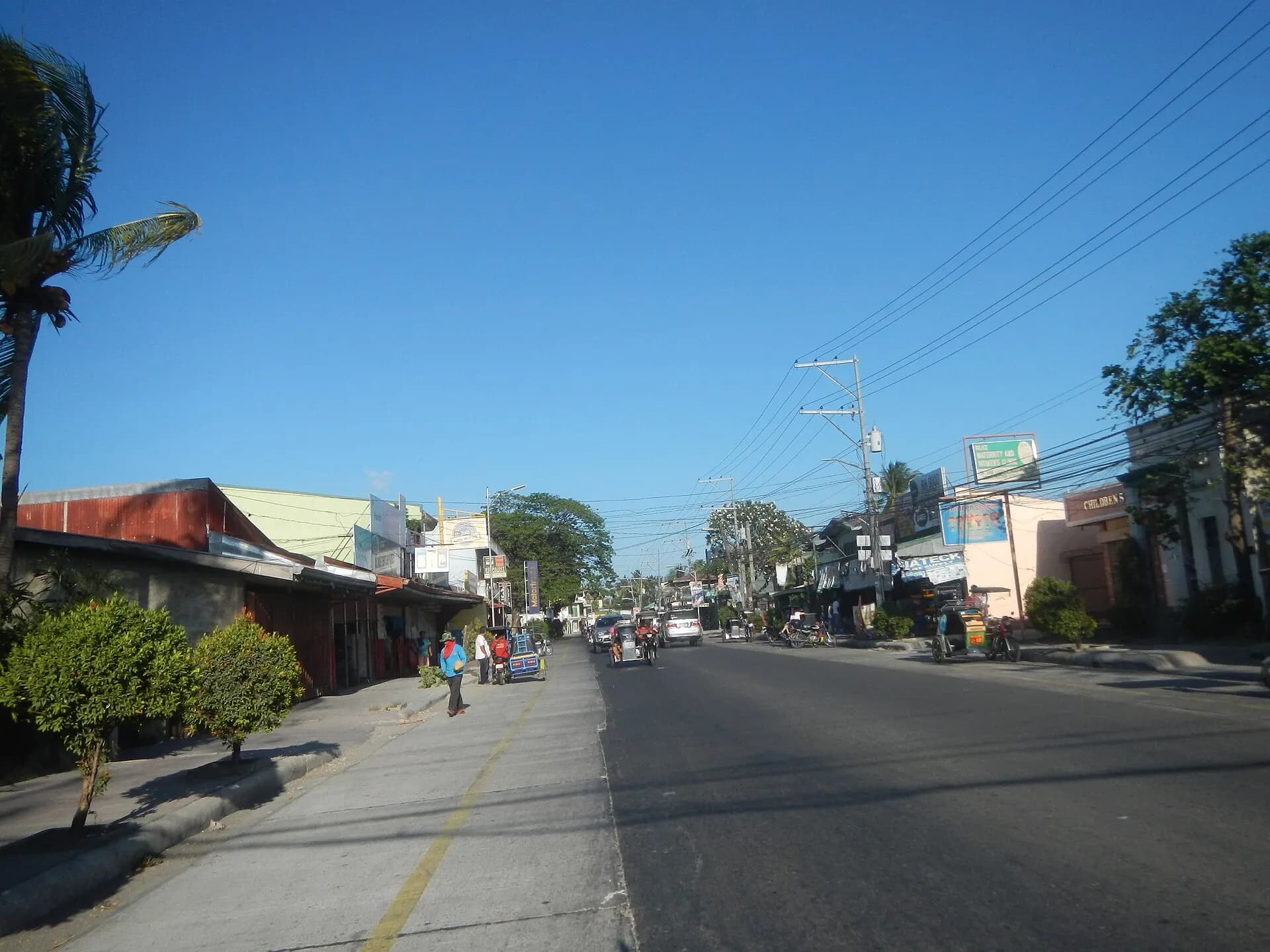
In 1912, residents of the barrios of Muñoz and San Antonio in San Juan de Guimba, Palusapis in Sto. Domingo, and several sitios in Talavera petitioned to form a separate municipality. Their request was approved through Executive Order No. 72, and Muñoz officially became an independent municipality on January 10, 1913. The new town’s first municipal government was established in the area now known as Poblacion North. Early development included the construction of a municipal hall, church, public market, and roads connecting the town to the national highway.
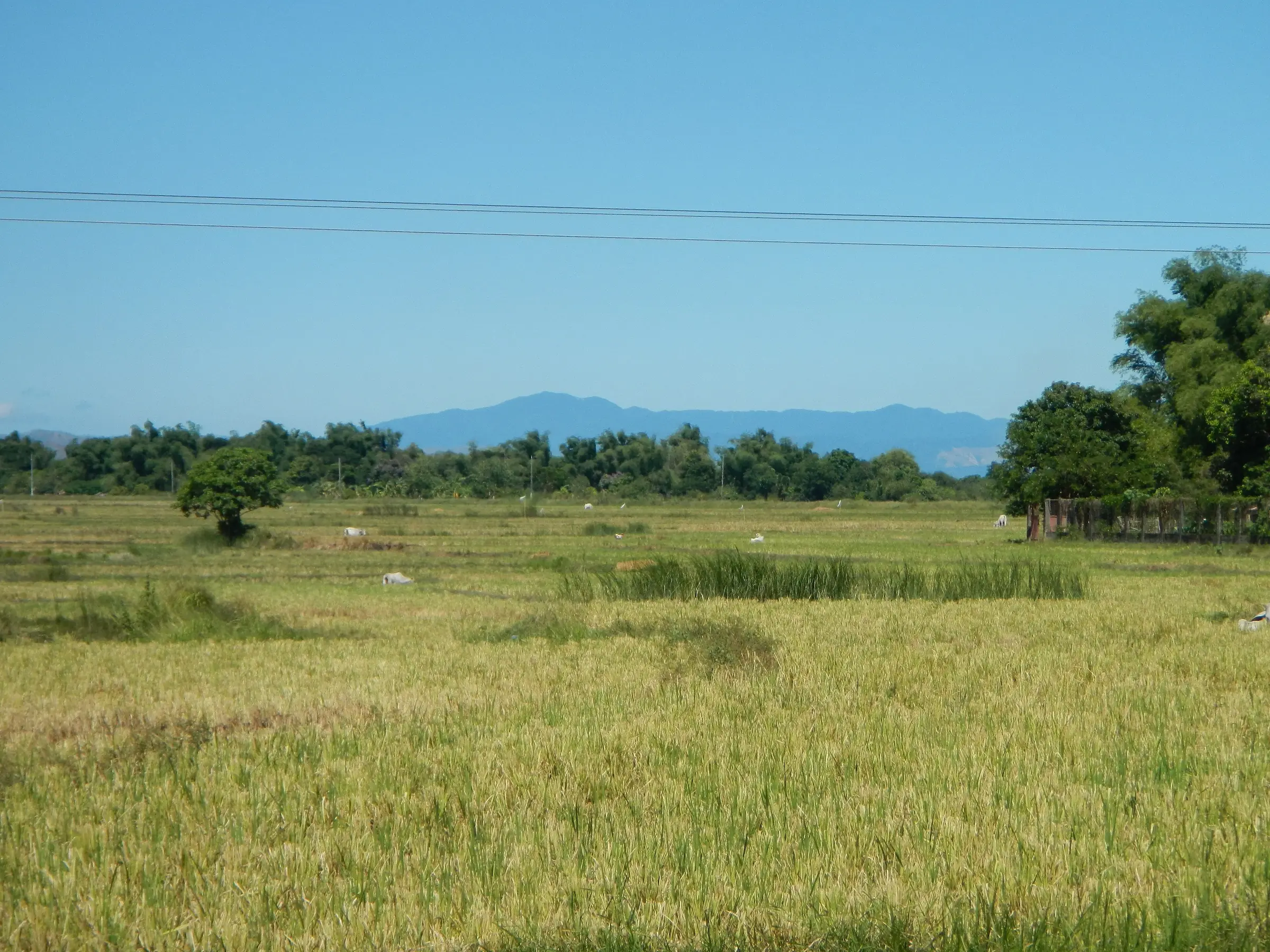
Muñoz continued to attract settlers and expand economically and socially. Several barrios were established, many named after local ideals, landmarks, or community leaders. Agriculture became the foundation of the local economy, supported by the town’s fertile land and favorable location in Nueva Ecija.
On the record
Executive Order No. 72
- Independence
- January 10, 1913
- Petitioned by
- Muñoz and San Antonio (San Juan de Guimba), Palusapis (Sto. Domingo), and sitios of Talavera
- First seat
- Present-day Poblacion North





1945
January 31 – February 7, 1945
The town is destroyed, and rebuilt
Like much of the Philippines, Muñoz suffered greatly during the Second World War. It became the site of a fierce battle between American liberation forces and the retreating Japanese Imperial Army from January 31 to February 7, 1945. The town was virtually destroyed, and many lives were lost. Despite the devastation, Muñoz gradually rebuilt itself under successive local leaders.


1993
A Science Community
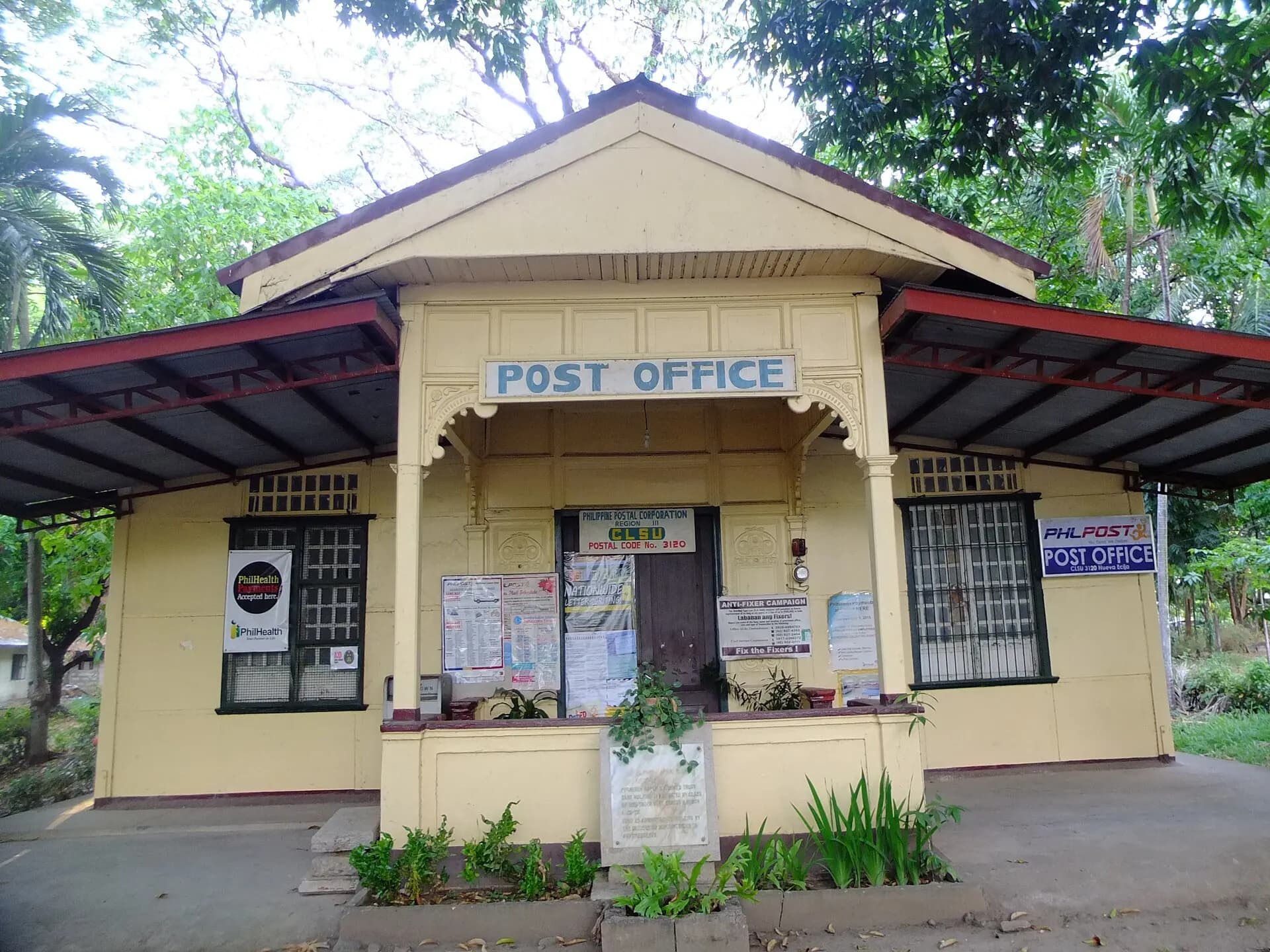
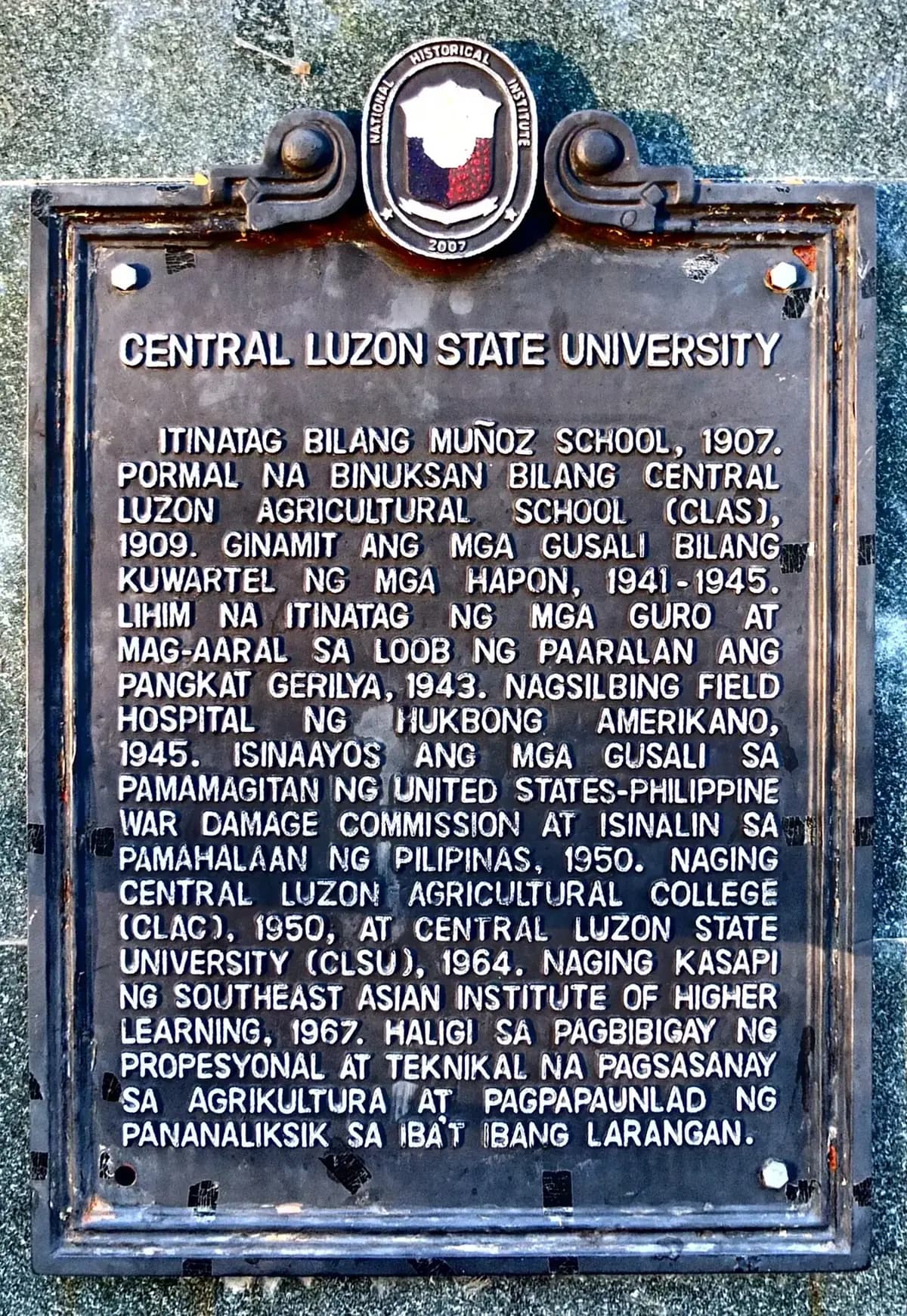
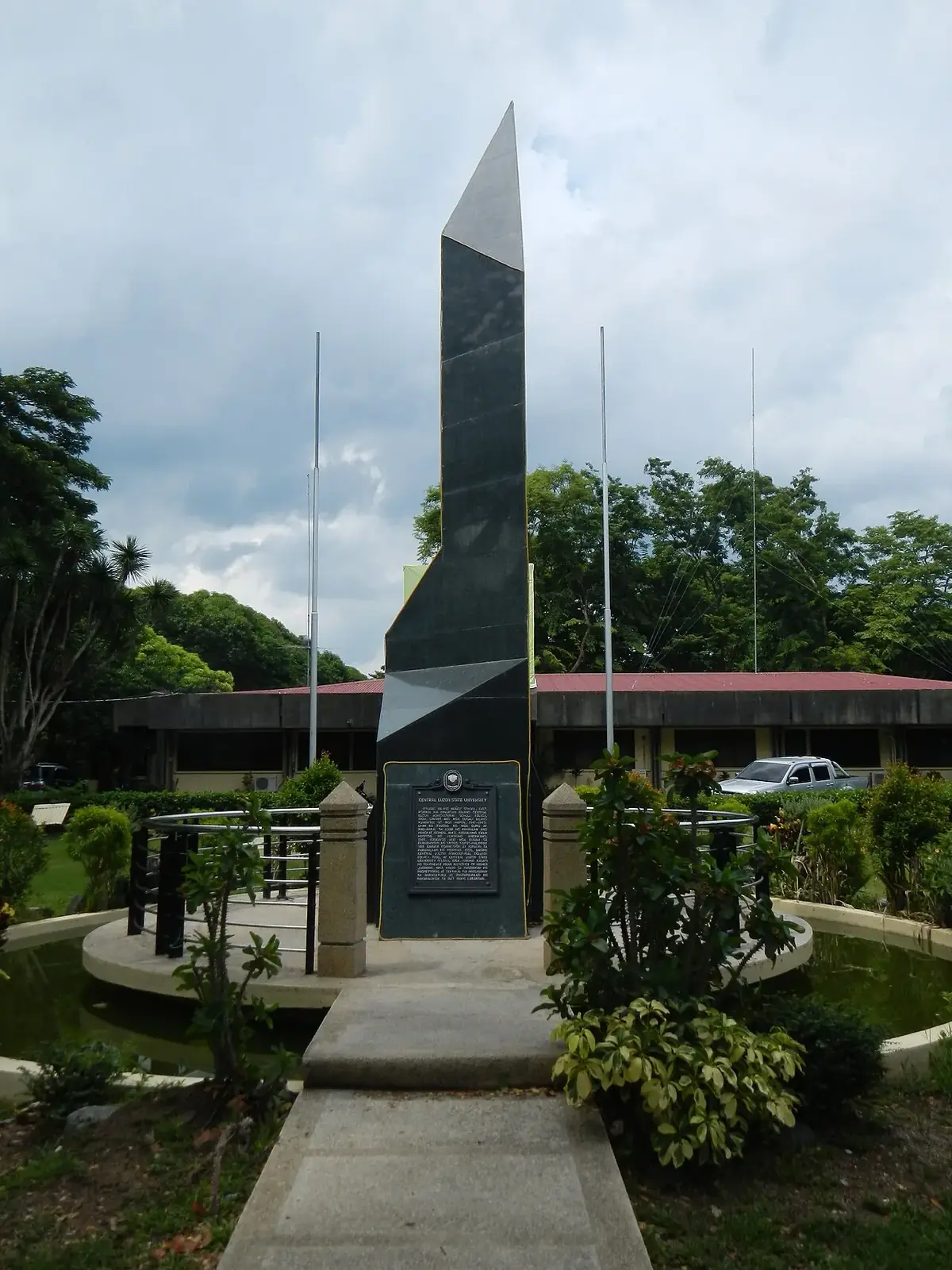
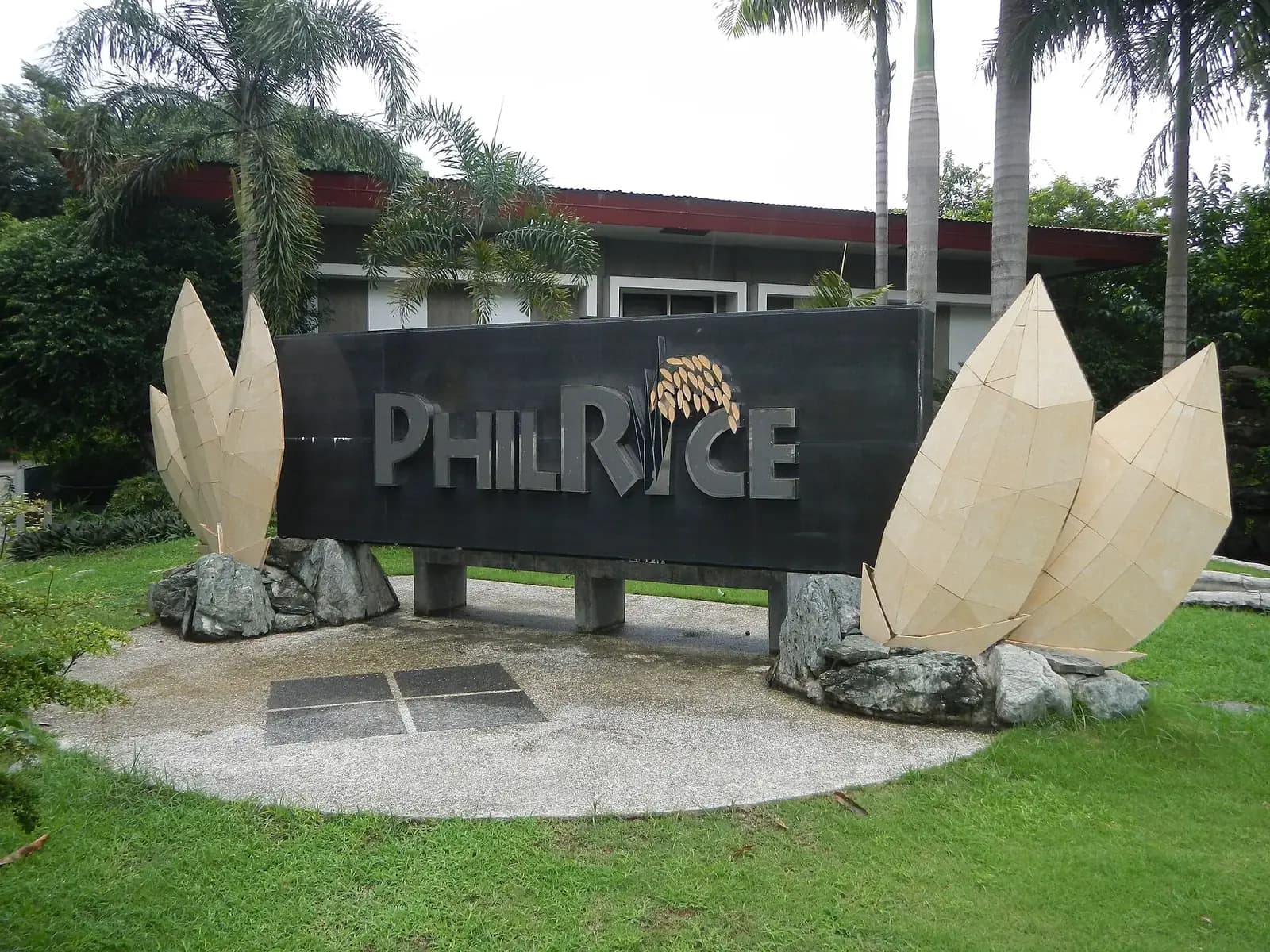
A major transformation began in the 1990s under Mayor Efren L. Alvarez, whose administration pursued the development of Muñoz as a center for science, technology, agriculture, and agro-industry. The presence of major institutions such as Central Luzon State University (CLSU), the Philippine Rice Research Institute (PhilRice), and other agricultural and scientific agencies provided the foundation for this vision.
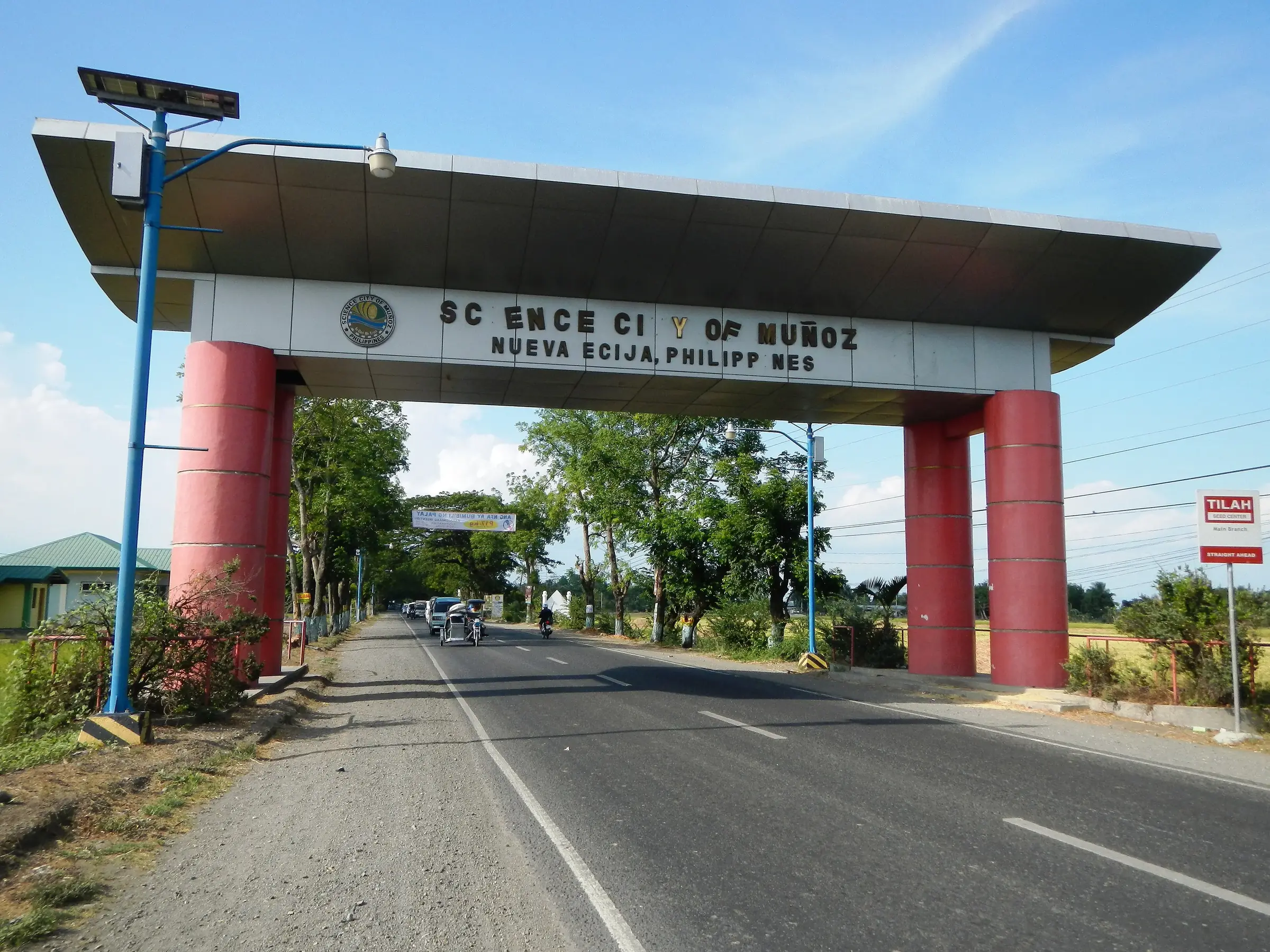
On September 3, 1993, the Department of Science and Technology declared Muñoz a Science Community. This designation led to the preparation of a Master Plan for its development and eventually to efforts to convert the municipality into a city dedicated to agricultural science and technology.
On the record
Science Community
- Declared
- September 3, 1993
- By
- The Department of Science and Technology

2000
The Science City of Muñoz
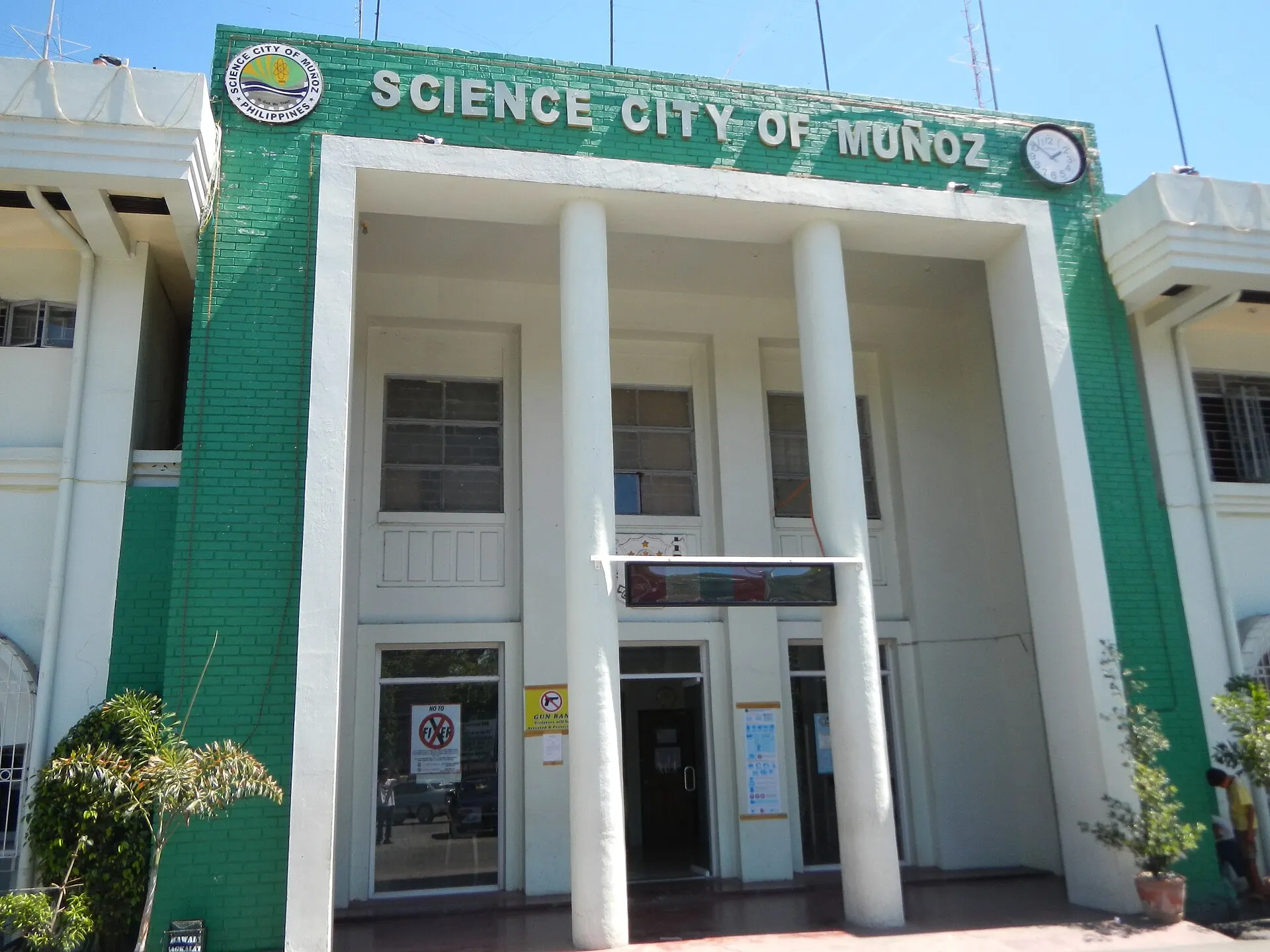
After several years of legislative and community efforts, Republic Act No. 8977 was signed on November 7, 2000, converting Muñoz into a component city officially known as the Science City of Muñoz. The law was ratified through a plebiscite on December 9, 2000, in which the overwhelming majority of voters approved the conversion.
On the record
Republic Act No. 8977
- Signed
- November 7, 2000
- Ratified
- December 9, 2000, by plebiscite
- Made Muñoz
- A component city

From its beginnings as a small indigenous settlement called Papaya, Muñoz evolved into an independent municipality in 1913 and, nearly nine decades later, became the Philippines’ first Science City.
Its history reflects the combined influence of indigenous communities, immigrant settlers, agricultural development, wartime sacrifice, and the growth of scientific and educational institutions.
1991
Meanwhile, in Los Angeles
While Muñoz was setting out to become a center for science and agriculture, Muñozonians living in the United States founded MUSA to send support back home.
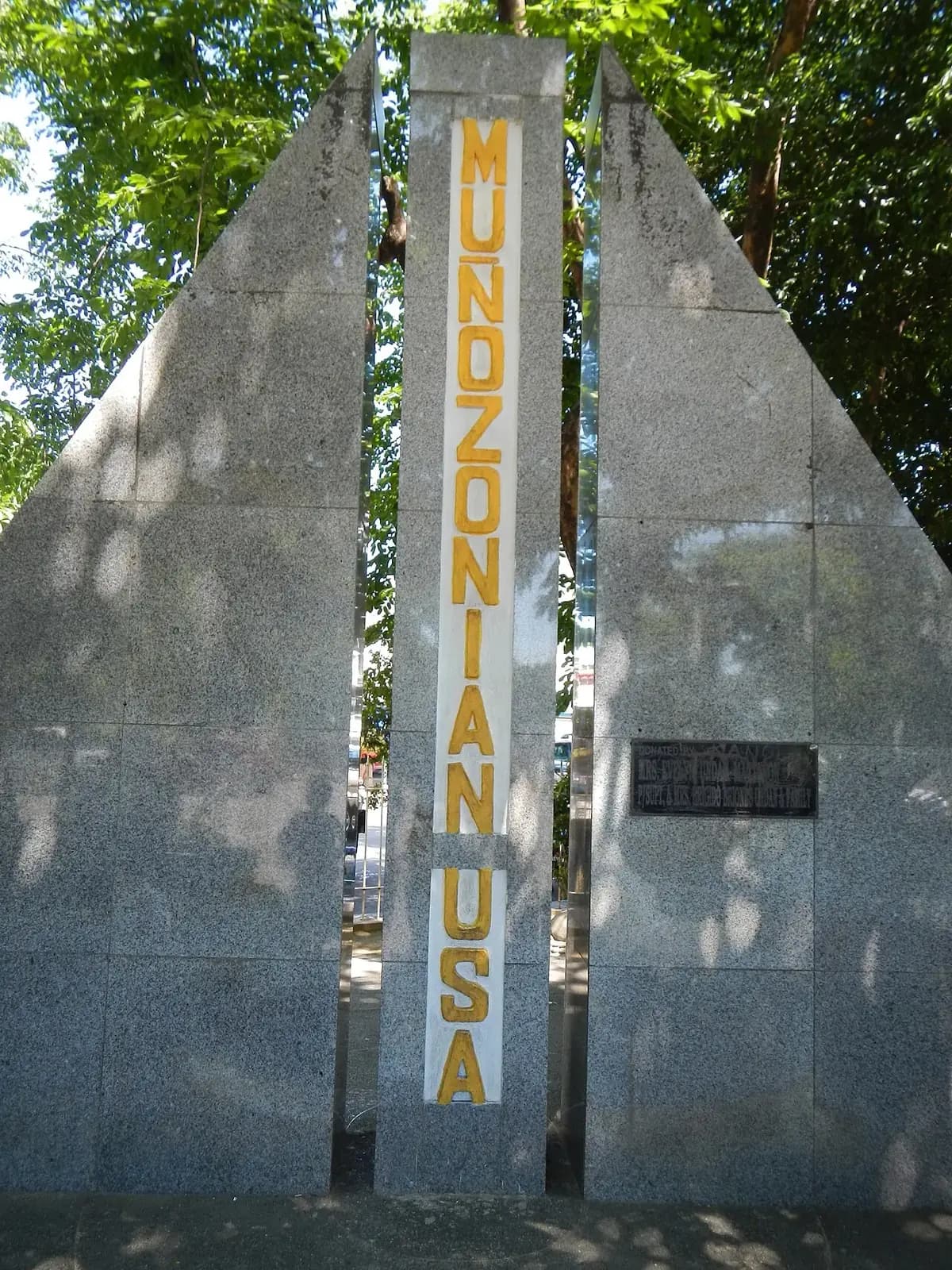

MUSA, 1991 to today
It started with a handful of people who missed home
Eight presidents have carried this since 1991. The work has never been large, and it has never stopped.
June 22, 1991
Founded in Los Angeles
Muñozonians living in the United States incorporate MUSA Inc. in California. Lita Angeles Llaneza serves as founding president through 1993.
1991 onward
Scholarships at CLSU High School
The first scholarships go out to students in Muñoz. The program has run every year since.
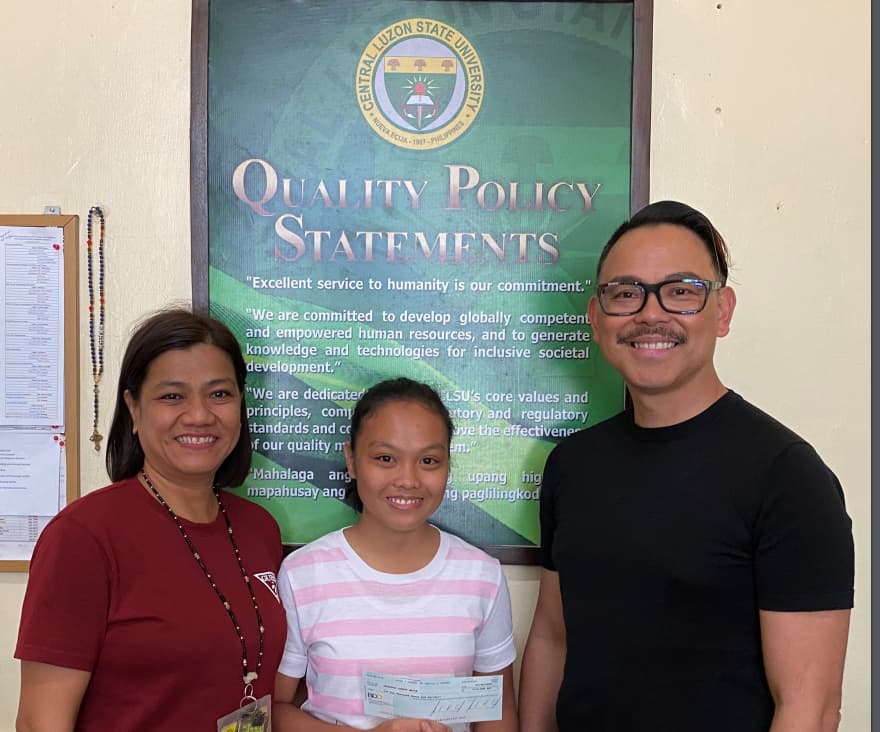
A scholarship award at CLSU High School, from our archive. December 2020
Adopt-A-Family reaches 60 households
Noche Buena and Media Noche baskets delivered to 60 families — 30 in Barangay Poblacion West, 30 in Poblacion East.
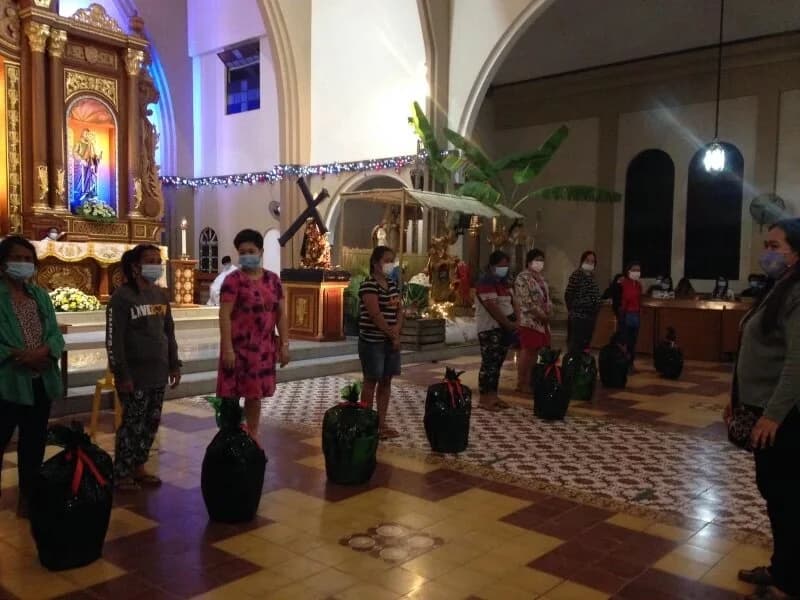
Wrapped Noche Buena baskets at the December 2020 distribution. 2020–2021
Tulong Laban sa COVID
Relief distributed across the barangays of Muñoz in partnership with San Sebastian Parish.
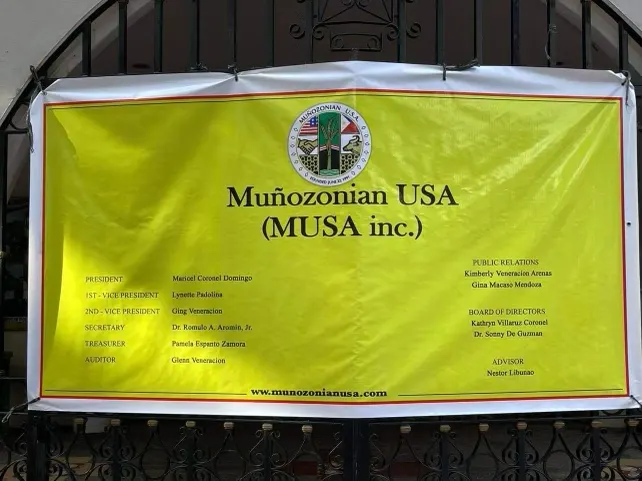
The MUSA banner at a Tulong Laban sa COVID distribution. December 2021
Adopt-A-Family: Noche Buena
The Christmas basket program continues after the pandemic years.
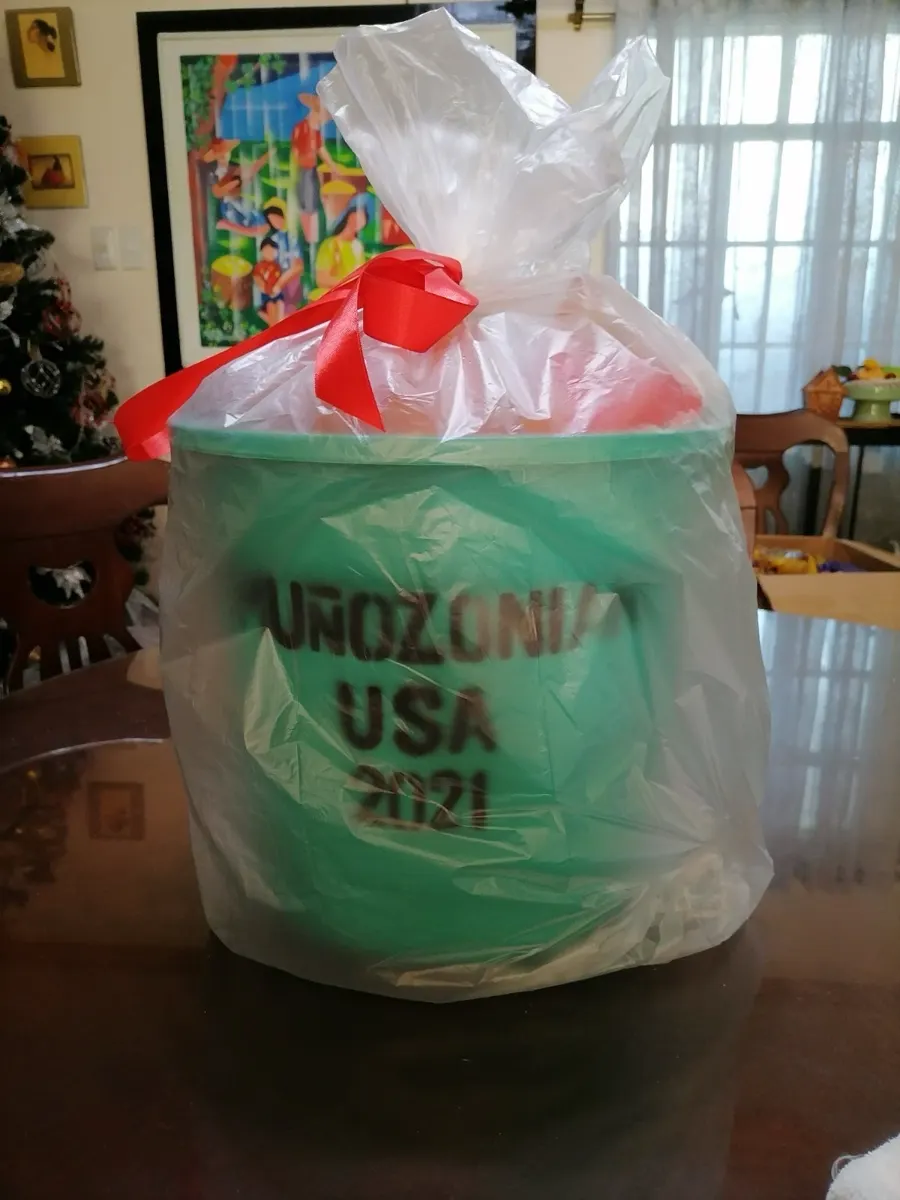
A 2021 Noche Buena basket, packed in a MUSA bucket. Today
Ten volunteer officers across California and Illinois
Still all-volunteer, still funding scholars in Muñoz.